
Should I Give My Baby A Bottle Before Bedtime?
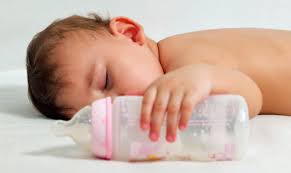
“A Crying Dilemma: Bedtime and Baby Bottles”

The age-old question weighs on parents’ minds: Should I give my precious cherub a comforting bottle before sending them off to dreamland? While nocturnal nourishment may offer temporary calm, it can spark a whole different set of concerns. Embark on a journey through the pros and cons of this nighttime ritual, exploring its impact on sleep patterns, dental health, and that ever-important bond between parent and child.


What Is Active Sleep In A Newborn? What To Watch For And What To Do.

Delve into the enigmatic realm of “Active Sleep” in newborns. It’s a captivating spectacle where tiny bodies twitch, eyes dart, and breaths come in waves. This article unlocks the mysteries surrounding this fascinating sleep stage, guiding you through its characteristics, what to watch for, and how to soothe your precious bundle of joy. Discover the secrets behind those captivating movements and unravel the science that governs this unique aspect of a newborn’s slumber.

5 Mistakes That Ruin Baby’s Sleep

5 Sleep-Stealing Missteps

As new parents navigate the sleep-deprived haze, they often make a few crucial errors that can derail their baby’s precious slumbers. From confusing day and night to overstimulating before bedtime, these blunders can keep tiny eyelids fluttering instead of peacefully closed. Embark on a journey to uncover these sleep spoilers and equip yourself with expert tips that will transform your baby’s nights into the tranquil havens they deserve.

Here Is Why Your Baby Is Waking Every 1-2 Hours At Night

Your sleepless nights might be a result of your baby’s sleep cycles. Newborns spend most of their time in active sleep, which is lighter and more easily disrupted. As they develop, they transition to more quiet sleep, leading to longer stretches of slumber.

Other factors can also contribute to frequent wakings, such as hunger, wet diapers, or discomfort. If your baby is otherwise healthy and gaining weight well, their frequent wakings may simply be a normal part of their development. However, if you’re concerned about your baby’s sleep patterns, consult a healthcare professional to rule out any underlying issues.

How to sleep train your baby and 6 popular methods to make it happen

Sleep training is the holy grail of parenting. It’s the fabled land where babies sleep peacefully through the night, and parents get a decent night’s rest. But how do you get your little one to sleep train? We’ve got the scoop on six popular methods, so you can find the one that’s best for you and your baby.

The Cry It Out Method
The Ferber Method
The Chair Method
The Pick Up Put Down Method
The No Cry Sleep Solution
The Gradual Approach

Will giving your baby butter before bed really help them sleep through the night?

Butter: The Secret to a Sound Baby’s Sleep?

As parents, we’ll try anything to ensure our little ones get a peaceful slumber. One age-old remedy gaining traction is feeding babies butter before bed. But does this culinary shortcut hold water? Let’s delve into the truth behind this intriguing bedtime ritual.

Proponents claim butter’s high fat content slows digestion, creating a feeling of fullness and promoting drowsiness. However, scientific evidence remains elusive, with studies showing mixed results. Some suggest butter may provide a brief calming effect due to its texture, while others raise concerns about potential digestive issues.

Ultimately, it’s up to parents to decide if they want to incorporate butter into their baby’s bedtime routine. If you do, proceed with caution, as any dietary changes should be discussed with a healthcare professional. So, before spreading butter on their sleepy heads, let’s weigh the possible benefits against the potential risks.

When Do Babies Grow Out Of Needing Contact Naps?

As a parent, you may wonder when your little one will finally grow out of the comforting embrace of contact naps. The answer, like every aspect of a baby’s development, varies from child to child. While some infants transition to crib naps by 6 months, others may continue to crave the closeness and security of a contact nap well into the toddler years. Explore the reasons behind this variation and delve into the developmental milestones and strategies that can help your baby make this gradual transition towards independent sleep. Discover the benefits and challenges of contact naps, empowering parents with the knowledge to determine the right time for their unique little cuddler to spread their wings and nap solo.