When can babies drink water? 7 things to know before you give it to your baby
Babies are born with an immature digestive system, making it difficult for them to process water. Introducing water too early can lead to health issues like seizures.

Caution Before Water Introduction

  1. Age: Most babies are ready for water around 6 months.
  2. Formula-Fed Babies: May need limited water starting around 4 months.
  3. Sugar Content: Avoid sweetened drinks like juice or soda.
  4. Fluoride: Monitor fluoride intake if using tap water.
  5. Constipation: Water can help, but it’s not always a solution.
  6. Milk Intake: Water can interfere with milk consumption.
  7. Bottle Use: Using bottles beyond infancy can lead to dental problems.

The Ultimate Diapering Guide: 7 Tips and Tricks for New Parents

Diapering, the inevitable task of parenthood, can be a daunting endeavor. Imagine a world where diaper mishaps are a thing of the past, where your little one remains comfy and clean. Embrace the “Ultimate Diapering Guide,” a treasure trove of 7 tips and tricks that will transform you into a diaper-changing ninja. From mastering the art of the blow-out to nifty tricks for sensitive skin, this guide empowers you with the knowledge to keep your baby happy and rash-free. Get ready to conquer the diaper kingdom and enjoy the journey of parenthood with ease and confidence!

Traveling with a Baby in 2024: Tips for Baby Travel

In the evolving landscape of air travel, navigating with a baby in 2024 demands precision planning. Enhanced security measures and evolving airline policies necessitate a comprehensive approach. This guide will empower you with the latest tips to streamline your journey, from TSA screenings to managing unexpected situations. Learn how to navigate cramped quarters, ensure your little one’s comfort, and anticipate potential pitfalls. With our insights, you’ll transform your family adventure into a seamless experience.

How To Create A Sleep & Nap Routine For Your Baby

In the twilight’s embrace, where slumber beckons, a soothing routine becomes an orchestra of rest for your precious little one. As the stars twinkle and the moon casts its gentle glow, embark on a journey to craft a sleep symphony tailored to your baby’s unique rhythm. With gentle strokes, establish a calming bedtime ritual and a peaceful napping sanctuary, guiding your cherub into a realm of blissful slumber. Each step will be a loving note in this nocturnal harmony, a testament to your unwavering care and devotion as a nurturing parent.

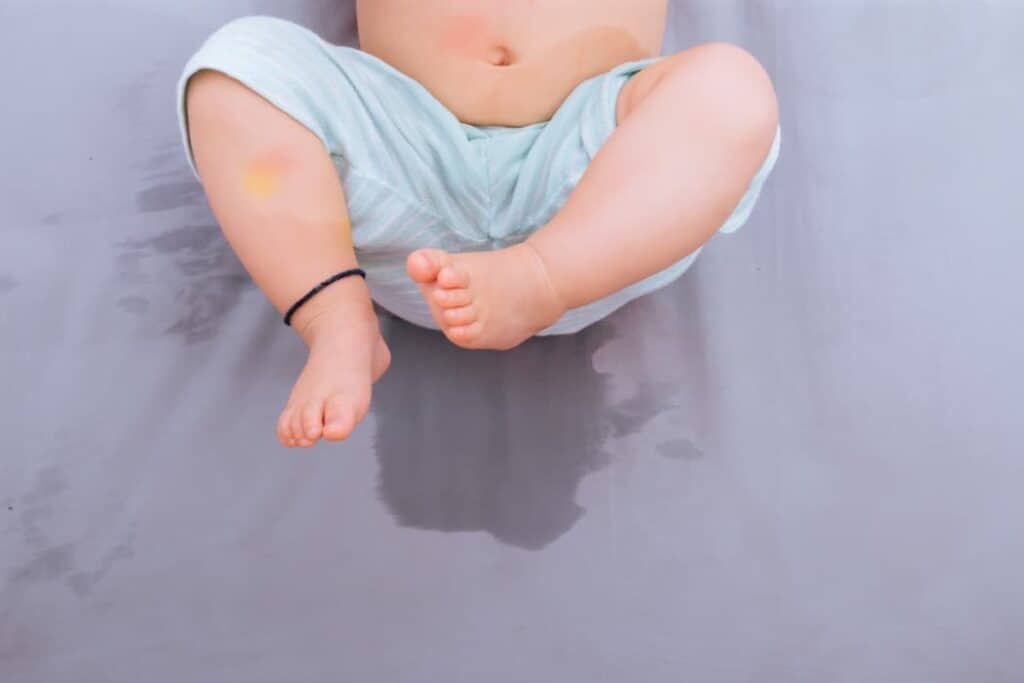
5 Tips To Help Prevent Your Baby From Peeing Through Their Diaper At Night

Nighttime diaper leaks can be a frustrating and messy problem. But don’t despair! Here are five tips to help prevent your baby from peeing through their diaper at night.

  1. Size up. If your baby’s current diaper size is too snug, it may not be able to hold all of their urine. Try moving up one size.
  1. Double-up. For extra absorbency, try doubling up on diapers. Just put one diaper on backwards over the first one.
  1. Use a booster pad. A booster pad can help to absorb extra urine at night. Place the booster pad over the regular diaper.
  1. Avoid giving your baby fluids before bedtime. This may help to reduce the amount of urine they produce overnight.
  1. Use a night diaper. Night diapers are designed to be more absorbent than regular diapers. They can be helpful for babies who tend to soak through diapers at night.