
Lip ties in babies: Here’s why experts say worrying (and surgery!) isn’t needed
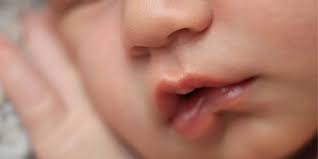
Lip ties – the innocent-sounding condition where a flap of tissue under a baby’s tongue is shorter than usual – have sparked fear and misinformation among parents and healthcare professionals alike. However, new research is challenging this concern, suggesting that most lip ties are harmless and do not require surgery. An estimated 4% to 11% of babies are born with lip ties, and while some may experience minor feeding difficulties, most do not require intervention.
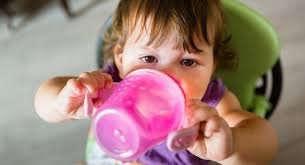

When can babies drink water? 7 things to know before you give it to your baby

Babies are born with an immature digestive system, making it difficult for them to process water. Introducing water too early can lead to health issues like seizures.

Caution Before Water Introduction

  1. Age: Most babies are ready for water around 6 months.
  2. Formula-Fed Babies: May need limited water starting around 4 months.
  3. Sugar Content: Avoid sweetened drinks like juice or soda.
  4. Fluoride: Monitor fluoride intake if using tap water.
  5. Constipation: Water can help, but it’s not always a solution.
  6. Milk Intake: Water can interfere with milk consumption.
  7. Bottle Use: Using bottles beyond infancy can lead to dental problems.

How To Help A Baby Sleep Or Nap While Teething

When your teething tot fights sleep, it can feel like a battle you can’t win. But don’t despair, just deploy these tactics to help calm the discomfort and send your little one into the land of nod.

Start by identifying your baby’s sleep cues, and put them down when they’re tired. A full belly and a clean diaper are essential, and a warm bath can help soothe them. Then, swaddle them snugly and rock them gently, or try walking around while humming a lullaby. When you go to put them in the crib, use white noise or play calming music to create a restful environment. Finally, offer them a teething toy or try massaging their gums with a clean finger.