The Ultimate Diapering Guide: 7 Tips and Tricks for New Parents

Diapering, the inevitable task of parenthood, can be a daunting endeavor. Imagine a world where diaper mishaps are a thing of the past, where your little one remains comfy and clean. Embrace the “Ultimate Diapering Guide,” a treasure trove of 7 tips and tricks that will transform you into a diaper-changing ninja. From mastering the art of the blow-out to nifty tricks for sensitive skin, this guide empowers you with the knowledge to keep your baby happy and rash-free. Get ready to conquer the diaper kingdom and enjoy the journey of parenthood with ease and confidence!


Traveling with a Baby in 2024: Tips for Baby Travel

In the evolving landscape of air travel, navigating with a baby in 2024 demands precision planning. Enhanced security measures and evolving airline policies necessitate a comprehensive approach. This guide will empower you with the latest tips to streamline your journey, from TSA screenings to managing unexpected situations. Learn how to navigate cramped quarters, ensure your little one’s comfort, and anticipate potential pitfalls. With our insights, you’ll transform your family adventure into a seamless experience.

Rates of sudden infant death syndrome go up and SIDS charity warns rising deprivation could lead to more deaths

An ominous shadow looms over England and Wales as the rates of sudden infant death syndrome (SIDS) rise. The Lullaby Trust, a leading SIDS charity, raises the alarm, pointing to the chilling connection between soaring deprivation and the increased likelihood of infant mortality. As families grapple with financial hardship, experts fear a surge in SIDS cases, underscoring the urgent need to safeguard our littlest citizens.

9 maternity coats and jackets to keep you — and your bump — warm all winter

Feeling chilly? This winter, stay ahead of the storm with these nine maternity coats and jackets that are sure to keep you and your little bundle warm and cozy all season long! When it comes to style, you won’t have to sacrifice one bit: these coats come in a variety of lengths, materials, and designs so you can easily find one that fits your body and your wardrobe.

How To Create A Sleep & Nap Routine For Your Baby

In the twilight’s embrace, where slumber beckons, a soothing routine becomes an orchestra of rest for your precious little one. As the stars twinkle and the moon casts its gentle glow, embark on a journey to craft a sleep symphony tailored to your baby’s unique rhythm. With gentle strokes, establish a calming bedtime ritual and a peaceful napping sanctuary, guiding your cherub into a realm of blissful slumber. Each step will be a loving note in this nocturnal harmony, a testament to your unwavering care and devotion as a nurturing parent.

How To Help A Baby Sleep Or Nap While Teething

When your teething tot fights sleep, it can feel like a battle you can’t win. But don’t despair, just deploy these tactics to help calm the discomfort and send your little one into the land of nod.

Start by identifying your baby’s sleep cues, and put them down when they’re tired. A full belly and a clean diaper are essential, and a warm bath can help soothe them. Then, swaddle them snugly and rock them gently, or try walking around while humming a lullaby. When you go to put them in the crib, use white noise or play calming music to create a restful environment. Finally, offer them a teething toy or try massaging their gums with a clean finger.

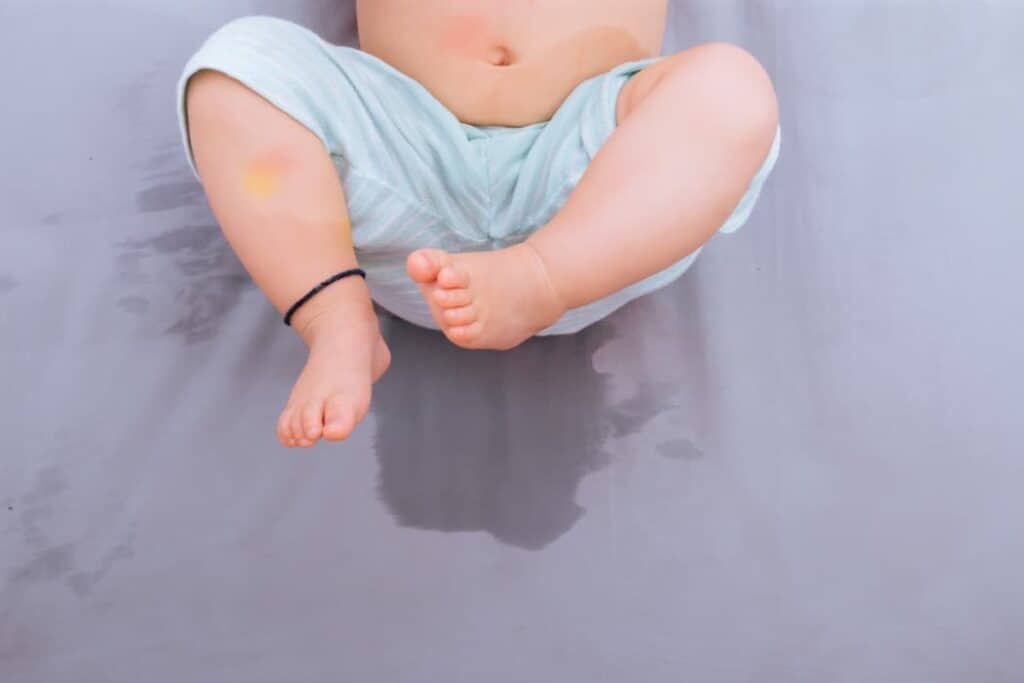
5 Tips To Help Prevent Your Baby From Peeing Through Their Diaper At Night

Nighttime diaper leaks can be a frustrating and messy problem. But don’t despair! Here are five tips to help prevent your baby from peeing through their diaper at night.

  1. Size up. If your baby’s current diaper size is too snug, it may not be able to hold all of their urine. Try moving up one size.
  1. Double-up. For extra absorbency, try doubling up on diapers. Just put one diaper on backwards over the first one.
  1. Use a booster pad. A booster pad can help to absorb extra urine at night. Place the booster pad over the regular diaper.
  1. Avoid giving your baby fluids before bedtime. This may help to reduce the amount of urine they produce overnight.
  1. Use a night diaper. Night diapers are designed to be more absorbent than regular diapers. They can be helpful for babies who tend to soak through diapers at night.

When Do Babies Grow Out Of Needing Contact Naps?

As a parent, you may wonder when your little one will finally grow out of the comforting embrace of contact naps. The answer, like every aspect of a baby’s development, varies from child to child. While some infants transition to crib naps by 6 months, others may continue to crave the closeness and security of a contact nap well into the toddler years. Explore the reasons behind this variation and delve into the developmental milestones and strategies that can help your baby make this gradual transition towards independent sleep. Discover the benefits and challenges of contact naps, empowering parents with the knowledge to determine the right time for their unique little cuddler to spread their wings and nap solo.

93 Aesthetic Baby Names That Are as Beautiful as They Sound

From ethereal to charming, these 93 aesthetic baby names enchant with their melodic grace and visual allure. Whether it’s the ethereal “Celeste” or the whimsical “Seraphina,” each name evokes an image of beauty and wonder. Immerse yourself in this enchanting symphony of names, where every syllable carries an artistic flourish. Discover the perfect harmony for your little treasure, a name that will resonate with elegance and charm from their first breath.

When and how to stop breastfeeding

Like all journeys, breastfeeding tends to come to an end. Whether the ending is elective or circumstance-led, it’s a decision that can evoke many emotions. The choice of when and how to stop breastfeeding is a highly personal one. There is no right or wrong answer, and the best approach will vary for each mother and baby.

Some mothers choose to stop breastfeeding gradually, reducing the number of feeds over time. Others opt for a more abrupt weaning, stopping all feeds at once. There is no evidence to suggest that one method is more effective or harmful than the other.

The best time to stop breastfeeding is also a personal choice. Some mothers choose to wean their babies when they reach a certain age, such as 6 months or 1 year. Others continue breastfeeding for longer, until their babies are 2 or 3 years old. Ultimately, the best time to stop breastfeeding is when both mother and baby are ready.